THE NURSING CORNER

THE NURSING CORNER website is a fast growing nursing community, a helpful resources to nurses and nursing students. We bring you the latest news and trends in nursing. Our aim is to make it easier for you to get your nursing license locally and abroad by providing you the most comprehensive references and reviewers.

THE NURSING NEWS

Keep posted with the most current nursing events, news, trainings, seminars, and other updates by visiting our website, contacting us through email or Facebook or subscribing to us. We are committed to give the most relevant facts and information related to our nursing profession

MAY 2014 NURSE LICENSURE EXAM RESULTS HAS BEEN RELEASED!

Exams may not be the ultimate test of life but they are definitely the ultimate test of character. By passing the PHILIPPINE NURSE LICENSURE EXAM, it has been proven that you have a strong character, full of determination and commitment. Congratulations RN!!!

HOW TO PASS THE NOVEMBER NLE???

Everyone knows that preparing for and taking exams can get quite stressful. So, we’ve gathered a few study tips, test taking hints and relaxation techniques to help you along the way make your dreams come true..

Quote for the month

Constant attention by a good nurse may be just as important as a major operation by a surgeon.-Dag Hammarskjold

Sunday, June 22, 2014

HAAD EXAMINATION PRACTICE QUESTIONS 1

1. Upon entering the room of a patient who has just returned from surgery for total laryngectomy and radical neck dissection, a nurse should recognize a need for intervention when finding 

A. a gastrostomy tube that is clamped. 
B. the patient coughing blood-tinged secretions from the tracheostomy. 
C. the patient positioned in a lateral position with the head of the bed flat. 
D. 200 ml of serosanguineous drainage in the patient's portable drainage device.


1. A 78-year-old does not want to eat lunch and complains that the food that is serve does not taste good. Consistent with knowledge about age-related changes to taste, the nurse may find that the client is more willing to eat.

A) Greasy foods
B) Sour foods
C) Sweet foods
D) Salty foods.


3. The nurse is preparing a discharge plan to a female client with peptic ulcer for the dietary modification she will need to follow at home. Which of the following statements indicates that the client understands the instruction of the nurse?

A) "I should not drink alcohol and caffeine."
B) "I should eat a bland, soft diet."
C) "It is important to eat six small meals a day."
D) "I should drink several glasses of milk a day."


4. A client has disabling attacks of vertigo. The nurse suspects that the client has Meniere's disease. The nurse is aware that the diet of the client must be modified. Which of the following is the best diet for the client?

A) High protein
B) Low Carbohydrates
C) Low Sodium
D) Low Fat

5. Which of the following is the most common surgical procedure for chronic otitis media?

A) Myringotomy
B) Ossiculoplasty
C) Mastoidectomy
D) Tympanoplasty

6. A community health nurse is teaching smoking cessation program to a group of healthy adult smokers. What type of prevention activity is this?

A) Primary
B) Secondary
C) Tertiary
D) None of the above

7. A female client with breast cancer is currently receiving radiation therapy for treatment. The client is complaining of apathy, hard to concentrate on something, and feeling tired despite of having time to rest and more sleep. These complains suggest symptoms of:

A) Hypocalcemia
B) radiation pneumonitis
C) advanced breast cancer
D) fatigue

8.  The nurse is removing the client's staples from an abdominal when the client cough continuously and the incision splits open exposing the intestines. Which of the following is the immediate nursing action of the nurse?

A) Call the surgeon to come to the client's room immediately
B) Have all visitors and family member leave the room
C) Press the emergency alarm to call the resuscitation team
D) Cover the abdominal organs with sterile dressing moistened with sterile normal saline.

9. Which of the following signs and symptoms would indicate that a client has benign prostatic hypertrophy (BPH)?

A) Hematuria
B) Flank pain
C) Impotence
D) Difficulty starting the urinary stream

10. A male client is receiving chemotherapy for lung cancer. He asks the nurse how the drug will work. Which of the following is the correct response of the nurse?

A) "Chemotherapy affects all rapidly dividing cells."
B) "Structure of the DNA is altered."
C) "Chemotherapy encourages cancer cells to divide."
D) "Cancer cells have susceptible drug toxins


11. A client will be receiving general anesthesia. The nurse reviews the laboratory result of the client and found out that the serum potassium level is 5.8 mEq/L. What should be the nurse's initial response?

A) Send the client to surgery
B) Notify the anesthesiologist
C) Call the surgeon
D) Send the client to surgery

12. The nurse is instructing the unlicensed assistant on how to care for a client with chest tubes that are connected to water seal drainage. Which of the following instruction would be appropriate for the nurse to give the unlicensed assistant?

A) Mark the time and amount of drainage collected in the container
B) Raise the collection apparatus to the height of the bed to measure the fluid level.
C) Milk the test tubes every 4 hours
D) Attach the chest tubes to bed linen to avoid tension of the tubing

13. After the first three dose of Paroxetine (Paxil) 20 mg, the client complains that the medication upsets his stomach. Which of the following instructions would the nurse give to the client?

A) "Take the medication with 4 ounces of orange juice."
B) "Take the medication an hour before breakfast."
C) "Take the medication at bedtime."
D) "Take the medication with some foods.

14. The nurse is developing a teaching plan for a client who will undergo a stapedectomy for treatment of otosclerosis. Which point should the plan include?

a. ringing in the ears is common after surgery 
b. vertigo and dizziness are common after surgery
c. hearing should return immediately after surgery
d. excessive drainage is common after surgery

15. The nurse is caring for a client with a diagnosis of detached retina. Which assessment sign would indicate that bleeding has occurred as a result of the retinal detachment?

a) total loss of vision
b) a reddened conjunctiva
c) a sudden sharp pain in the eye
d) complaints of a burst of black spots or floaters

16.  The client sustains a contusion of the eyeball following a traumatic injury with a blunt object. Which intervention is initiated immediately?

a) notify the physician
b) apply ice to the affected eye
c) irrigate the eye with cool water
d) accompany the client to the emergency room

17. The client arrives in the emergency room with a penetrating eye injury from wood chips that occurred while cutting wood. The nurse assesses the eye and notes a piece of wood protruding form the eye. What is the initial nursing action?

a) apply an eye patch
b) perform visual acuity tests
c) irrigate the eye with sterile saline
d) remove the piece of wood using a sterile eye clamp

18. The client arrives in the emergency room after sustaining a chemical eye injury from a splash of battery acid. The initial nursing action is to:

a) begin visual acuity testing
b) cover the eye with a pressure patch
c) swab the eye with antibiotic ointment
d) irrigate the eye with sterile normal saline

19. The nurse is caring for a client after a lung lobectomy. The nurse notes fluctuating water levels in the water-seal chamber of the client's chest tube. What action should the nurse take?

A. Do nothing, but continue to monitor the client. 
B. Call the physician immediately. 
C. Check the chest tube for a loose connection. 
D. Add more water to the water-seal chamber

20. A client with type 2 diabetes has a hemoglobin A1C level of 8.8 after 6 months of oral therapy with metformin (Glucophage®). The client tells the nurse that she often forgets to take her medication and doesn't really follow her diet. Which of the following is the nurse's best first response?

A. "If you don't get control of your blood sugar, you'll need to take insulin." 
B. "It can be hard to get used to having a disease like diabetes. What are some of the things you find challenging about it?"
C. "Uncontrolled diabetes can lead to eye problems and kidneys problems." 
D. "Many people have diabetes."

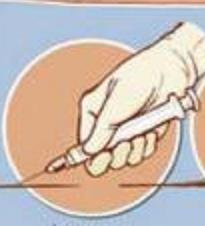
21. The nurse is teaching a client newly diagnosed with type 1 diabetes how to self-administer subcutaneous insulin injections. How does the nurse best evaluate the effectiveness of her teaching?

A. Have the client repeat the steps back to the nurse. 
B. Give the client a written test on self-administration of insulin. 
C. Ask the client to write out the steps for self-administration of insulin injections.
D. Ask the client to give a return demonstration of self-administration of insulin.

22. The nurse is writing the teaching plan for a client undergoing a radioactive iodine uptake test to study thyroid function. Which of the following instructions should the nurse include?

A. "You need to stay at least 4 feet (1.2 m) away from other people after the test because you'll be radioactive."
B. "You need to lie very still on a stretcher that is placed in a long tube for the scan"
C. "Don't take any iodine or thyroid medication before the test." 
D. "Schedule the bone scans before your radioactive iodine uptake test."

23. A 64-year-old patient with newly diagnosed acute myelogenous leukemia (AML) who is undergoing induction therapy with chemotherapeutic agents tells the nurse, "I feel so sick that I don't know if the treatment is worth completing." The nurse's best response to the patient is

a. "I know you feel really ill right now, but after this therapy your disease will go into a remission and you will feel normal again."
b. "Induction therapy is very aggressive and causes the most side effects, so when this phase is completed you won't feel so ill."
c. "Your type of leukemia has an 80% survival rate if aggressive therapy is started, so the effects of treatment will be worth it to you."
d. "The chemotherapy is difficult, but it is necessary to put the disease into remission and give you time to make choices about your life.

24. The nurse is assessing a patient with gastroesophageal reflux disease (GERD) who is experiencing increasing discomfort. Which patient statement indicates that additional patient education about GERD is needed?

a. "I take antacids between meals and at bedtime each night."
b. "I quit smoking several years ago, but I still chew a lot of gum."
c. "I sleep with the head of the bed elevated on 4-inch blocks."
d. "I eat small meals throughout the day and have a bedtime snack.

25. A patient with recurring heartburn receives a new prescription for esomeprazole (Nexium). In teaching the patient about this medication, the nurse explains that this drug

a. reduces the reflux of gastric acid by increasing the rate of gastric emptying.
b. coats and protects the lining of the stomach and esophagus from gastric acid.
c. treats gastroesophageal reflux disease by decreasing stomach acid production.
d. neutralizes stomach acid and provides 

26. A nurse is performing an initial post op assessment on a client following upper GI surgery. The client has a NG tube to low, intermittent suction. To best assess the client for the presence of bowel sounds, the nurse should:

A. place the stethoscope to the left of the umbilicus.
B. turn off the nasogastric suction.
C. use the bell of the stethoscope.
D. turn the suction on the NG tube to continuous.

27. A nurse is caring for a client diagnosed with Chron's disease, who has undergone a barium enema that demonstrated the presence of strictures in the ileum. Based on this finding, the nurse should monitor the client closely for signs of:

A. peritonitis
B. obstruction
C. malaborsorption.
D. fluid imbalance.

28. While conducting a home visit with a client who had a partial resection of the ileum for Chron's Disease 4 weeks previously, a nurse becomes concerned when the client states:

A. My stools float and seem to have fat in them.
B. I have gaiend 5 pounds since I left the hospital.
C. I am still avoiding milk products.
D. I only have 2 formed stools per day.

29. A nurse is reviewing the history and physical of a teenager admitted to a hospital with a diagnosis of ulcerative colitis. Based on this diagnosis, which information should the nurse expect to see on this client's medical record?

A. Abdominal pain and bloody diarrhea.
B. Weight gain and elevated blood glucose.
C. Abdominal distention and hypoactive bowel sounds.
D. Heartburn and regurgitation.

30. A RN overhears a LPN talking with a client who is being prepared for a total colectomy with the creation of an ileoanal reservoir for ulcerative colitis. To decrease the client's anxiety, the RN should intervene to clarify the information given by the LPN when the LPN is heard saying:

A. this surgery will prevent you from developing colon cancer.
B. after this surgery you will no longer have ulcerative colitis. 
C. when you return from surgery you will not be able to eat solid food for several days.
D. you will have an ileostomy when you return from the surgery.

31. The nurse is assessing a client 24 hours following a cholecystectomy. The nurse noted that the T tube has drained 750 mL of green-brown drainage since the surgery. Which nursing intervention is appropriate?

A. Clamp the T tube
B. Irrigate the T tube
C. Notify the physician
D. Document the findings


ANSWERS AND RATIONALES

1. C. the patient positioned in a lateral position with the head of the bed flat. After total laryngectomy and radical neck dissection, a patient should be placed in a semi-Fowler's position to decrease edema and limit tension on the suture line.

2. C = the older adults' taste buds retain their sensitivity to carbohydrates. In addition, carbohydrates. Tend to be food items that are easy to chew. Older adults lose their sensitivity to sour and salty foods. Older adults may find greasy foods harder to digest and therefore may avoid them; however, preference for greasy foods is not related to changes in taste associated with age.

3. A = caffeinated beverages and alcohol should be avoided because they stimulate gastric acid production and irritate gastric mucosa. 

The client should avoid foods that cause discomfort; however, there is no need to follow a soft, bland diet. 

Eating six small meals daily is no longer a common treatment for peptic ulcer disease. 

Milk in large quantities is not recommended because it actually stimulates further production of gastric acids.

4. C = A low sodium diet is frequently an effective mechanism for reducing the frequency and severity of the disease episodes. 

About three-quarters of clients with Meniere's disease respond to treatment with a low salt diet.

5. D   Tympanoplasty involves surgical reconstruction as the tympanic membrane and is done to re-establish middle ear function, close perforation, prevent recurrent infections.

6. A = primary cancer prevention targets healthy individuals and includes steps to avoid factors that might lead to the development of diseases.

7. D = Fatigue is a common complaint of individuals receiving medication therapy.

8. D = When a wound eviscerates, the nurse should cover the open area with sterile dressing moistened with sterile normal saline and then cover it with a dry dressing. 

The surgeon should then be notified to take the client back to the operating room to close the incision under general anesthesia.

9. D = the symptoms of BPH are related to obstruction as a result of an enlarged prostate. Difficulty in starting the urinary stream is a common symptom, along with dribbling, hesitancy and urinary retention.

10. A = There are many mechanisms of action for chemotherapeutic agents, but most affect the rapidly dividing cells-both cancerous and noncancerous. Cancer cells are characterized by rapid cell division. Chemotherapy slows cell division

11. B = the nurse should notify the anesthesiologist because a serum potassium level of 5.8 mEq/L places the client at risk for dysrhythmias when under general anesthesia.

12. A = It is appropriate for an unlicensed assistant to mark the time of measurement and fluid level in the collection container.

13. D = Nausea and gastrointestinal upset is a common but usually temporary side effects of Paroxetine (Paxil). Therefore, the nurse would instruct the client to take the medication with food to minimize nausea and stomach upset.

14. B   Vertigo is the most frequent complication of stapedectomy. The patient should move slowly to avoid triggering or worsening vertigo and should ask for assistance with ambulation. Ringing in the ears rarely follows this surgery and should be reported to the doctor if it does.
Hearing typically decreases after surrey bc of ear packing and tissue swelling, but commonly returns over the next 2-6 weeks.
Usually, post-op drainage and pain are minimal

Excessive drainage should be reported.

15. D  Complaints of a sudden burst of black spots or floaters indicates that bleeding has occurred as a result of the detachment. Options A, B, and C are not signs of bleeding.

16. B    Treatment for a contusion begins at the time of injury. Ice is applied immediately. The client then should be seen by a physician and receive a thorough eye examination to rule out the presence of other eye injuries.

17. B

- If the laceration is the result of a penetrating injury, an object may be noted protruding from the eye. This object must never be removed except by the ophthalmologist because it may be holding ocular structures in place. 

Application of an eye patch or irrigation of the eye may disrupt the foreign body and cause further tearing of the cornea.

18. D

Emergency care following a chemical burn to the eye includes irrigating the eye immediately with sterile normal saline or ocular irrigating solution. In the emergency department, the irrigation should be maintained for at least 10 minutes. Following this emergency treatment, visual acuity is assessed. Options B and C are not a component of initial care.

19. A

Fluctuation in the water-seal chamber is a normal finding that occurs as the client breathes. No action is required except for continued monitoring of the client. The nurse doesn't need to notify the physician. Continuous bubbling in the water-seal chamber indicates an air leak in the chest tube system, such as from a loose connection in the chest tube tubing. The water-seal chamber should be filled initially to the 2 cm line, and no more water should be added.

20. B

Acknowledging that the client is going through changes and allowing her to express her concerns will help the nurse assess her needs. Hemoglobin AIC shows the average blood glucose levels over a 3-month period. Diabetes should maintain the AIC <7%. Lecturing, threatening and comparing the clients to others belittles the client and discourages discussion, but the patient must be provided adequate information in order to make informed decisions about self-care.

21. D

Asking the client to give a return demonstration of his injection technique is the best way to assess whether the client can perform the procedure. It also gives the nurse the opportunity to provide feedback. Asking the client to recite the steps, pass a written test, or write out the steps shows the nurse whether the client is able to recall the steps but doesn't show that he has the necessary motor skills or the ability to perform the procedure.

22. C

Medications such as iodine, contrast media, and antithyroid and thyroid drugs can affect the test results and should be withheld by the client for a week or longer, as directed by the physician. During a radioactive iodine uptake test, the client receives radioactive iodine by mouth or I.V. in small doses and doesn't require isolation. During magnetic resonance imaging--not radioactive iodine uptake testing--a client needs to lie still inside a long tube. Any test, such as a bone scan, that requires iodine contrast media should be scheduled after the radioactive iodine uptake test because the iodinated contrast medium can decrease uptake.

23. D
Rationale: AML is very aggressive, and survival after diagnosis is short without treatment. Induction therapy is followed by more chemotherapy, so the nurse should not tell the patient that he or she will feel normal or not so ill. The survival with AML is not 80%.

24. D

Rationale: GERD is exacerbated by eating late at night, and the nurse should plan to teach the patient to avoid eating at bedtime. The other patient actions are appropriate to control symptoms of GERD.

25. C
Rationale: The proton pump inhibitors decrease the rate of gastric acid secretion. Promotility drugs such as metoclopramide (Reglan) increase the rate of gastric emptying. Cryoprotective medications such as sucralfate (Carafate) protect the stomach. Antacids neutralize stomach acid and work rapidly.

26. B

27. B

28. A

29. A

30. D
31. D

SAUDI PROMETRIC EXAM ANSWERS 1

1.) Answer: D
Dark green leafy vegetables are good sources of iron. Oranges are good sources of vitamin C that enhances iron absorption in the small intestines.
2.) Answer: B
Individuals with G6PD may exhibit hemolytic anemia when exposed to infection, certain medications or chemicals. Salicylates such as Aspirin damages plasma membranes of erythrocytes, leading to hemolytic anemia.
3.) Answer: B
Lower GI fluids are alkaline in nature and can be lost via ileostomy. Thus, loss of HCO3, results to metabolic acidosis.
4.) Answer: C
Initially, respiratory system will try to compensate metabolic acidosis. Patients with metabolic acidosis have high respiratory rate.
5.) Answer: A
Normal phosphorus level is 2.5 – 4.5 mg/dL .The level reflects hyperphosphatemia which is inversely proportional to calcium. Client should be assessed for tetany which is a prominent symptom of hypocalcemia.
6.) Answer: C
Clinical manifestations of pyloric stenosis include projectile vomiting, irritability, constipation, and signs of dehydration, including a decrease in urine output.
 7.) Answer: A, E, F, C, B, D
In accordance with the new guidelines, remember AB-CABS. A-airway B-breathing normally? − C-chest compression A-airway open B-breathing for patient S-serious bleeding, shock, spinal injury. The nurse should first assess consciousness of the patient. Next, open patient’s airway to check for breathing. When there is no breathing, immediately perform chest compression then give 2 breaths, do the cycle of care over. Finally, check for serious bleeding, shock, and spinal injury.
8.) Answer: D
Continuous bubbling seen in water-seal bottle/ chamber indicates an air leak or loose connection, and air is sucked continuously into the closed chest drainage system.
9.) Answer: C
Testicular cancer is most likely to affect males in late adolescence. Undescended testis is also one major risk for testicular cancer.
10.) Answer: D
Hypocalcemia occurs when there is accidental removal or destruction of parathyroid tissue during surgical removal of the thyroid gland.  Laryngospasm is one of the clinical manifestations of tetany, an indicator of hypocalcemia.
11.) Answer: A
It’s normal for a toddler to have bowlegs and a protruding belly. The head still appears somewhat large in proportion from the rest of the body.
12.) Answer: D
13.) Answer: B
There is 6-8 months activity restriction following a spinal fusion.  Sitting, lying, standing, normal stair climbing, walking, and gentle swimming is allowed. Bending and twisting at the waist should be avoided, along with lifting more than 10 lbs.
14.) Answer: D
Z-track technique is used to administer drugs especially irritating to the subcutaneous tissue. This method promotes absorption of the drug by preventing drug leakage into the subcutaneous layer.
15.) Answer: B
Establishing rapport is a way to gain trust that will lead for a patient to relax. You can get more insights and information from a patient when rapport is established.
16.) Answer: A
Low magnesium (hypomagnesemia) produces clinical manifestations like increased reflexes, tremors, and seizures. Magnesium Sulfate is the drug of choice to prevent seizures in pre-eclampsia and eclampsia.
17.) Answer: C
Ear canal of children ages 3years and above can be straightened by pulling the pinna up then backwards. For children below 3 years of age, the ear canal can be straightened by pulling the pinna down then backwards.
18.) Answer: A
Infants are nose breathers. A gastric tube may be inserted to facilitate lung expansion and stomach decompression, but not a nasogastric tube as it can occlude the nare, thus, making breathing difficult for the infant.
19.) Answer: B
20.) Answer: B
Blind finger sweeps are not recommended in all CPR cases especially for infants and children because the foreign object may be pushed back into the airway.
21.) Answer: B
First step in cardiopulmonary resuscitation (CPR) is assessing responsiveness of the patient.
22.) Answer: C
Priority nursing action is to administer oxygen to patients with chest pain.  Chest pain is caused by insufficient myocardial oxygenation.
23.) Answer: D
Pneumococcal Vaccine is a priority immunization for the elderly. Seniors, ages 65 years old and above, have higher risk for serious pneumococcal infection and likely have low immunity. This is administered every 5 years.
24.) Answer: A
Burns on the face and neck can cause swelling of the respiratory mucosa that can lead to airway obstruction manifested by hoarseness of voice and difficulty in breathing. Maintaining an airway patency is the main concern.
25.) Answer: C
An in-line filter is required for blood transfusions.
26.) Answer: D
Negative outcome: Hemodialysis decreases red blood cell count which worsens anemia, because RBCs are lost in dialysis from anticoagulation during the procedure, and from residual blood that is left in the dialyzer.
27.) Answer: D
Decrease in level of consciousness and headache are early signs of increase in intracranial pressure (ICP). Altered level of consciousness is the most common symptom that indicates a deficit in brain function.
28.) Answer: B
Recall the anatomy of the colon. The appropriate position is left lateral to facilitate flow of enema by gravity into the colon.
29.) Answer: D
Recall the 12 Rights of administration. Checking the patient’s name is critical for client-safety.
30.) Answer: A , D
Crohn’s disease is a chronic inflammation of the colon with symptoms of diarrhea, abdominal pain, and weight loss. Corticosteroid is a treatment for Crohn’s disease. Antidiarrheal can give relief to diarrheal episodes. Aspirin should be avoided as it can worsen inflammation. Those with Crohn’s disease are mostly lactose intolerant, so choice no. (2) is incorrect.

SAUDI PROMETRIC SAMPLE QUESTIONS AND ANSWERS 1

The Prometric Exam for Nurses is an assessment and qualifying exam for nurses who want to work in the Kingdom of Saudi Arabia.
TIP: Focus on prioritization, medical-surgical, and fundamentals of nursing.
1. The nurse is teaching a mother whose daughter has iron deficiency anemia. The nurse determines the parent understood the dietary modifications, if she selects?
a)  Bread and coffee
b)  Fish and Pork meat
c)  Cookies and milk
d)  Oranges and green leafy vegetables
2. Which of the following is the most common clinical manifestation of G6PD following ingestion of aspirin?
a)   Kidney failure
b)  Acute hemolytic anemia
c)   Hemophilia A
d)  Thalassemia
3. The nurse assesses a client with an ileostomy for possible development of which of the following acid-base imbalances?
a)  Respiratory acidosis
b)  Metabolic acidosis
c)  Metabolic alkalosis
d)  Respiratory alkalosis
4. The nurse anticipates which of the following responses in a client who develops metabolic acidosis.
a)   Heart rate of 105 bpm
b)  Urinary output of 15 ml
c)   Respiratory rate of 30 cpm
d)    Temperature of 39 degree Celsius
 5. A client has a phosphorus level of 5.0mg/dL. The nurse closely monitors the client for?
a)     Signs of tetany
b)    Elevated blood glucose
c)     Cardiac dysrhythmias
d)    Hypoglycemia
6. A nurse is caring for a child with pyloric stenosis. The nurse would watch out for symptoms of?
a)   Vomiting large amounts
b)   Watery stool
c)    Projectile vomiting
d)   Dark-colored stool
7. The nurse responder finds a patient unresponsive in his house. Arrange steps for adult CPR.
a)   Assess consciousness
b)  Give 2 breaths
c)   Perform chest compression
d)  Check for serious bleeding and shock
e)   Open patient’s airway
f)    Check breathing
___, ___, ___, ___, ___, ___
8. Which of the following has mostly likely occurred when there is continuous bubbling in the water seal chamber of the closed chest drainage system?
a)   The connection has been taped too tightly
b)   The connection tubes are kinked
c)    Lung expansion
d)   Air leak in the system
9. Which if the following young adolescent and adult male clients are at most risk for testicular cancer?
a)  Basketball player who wears supportive gear during basketball games
b)  Teenager who swims on a varsity swim team
c)   20-year-old with undescended testis
d)   Patient with a family history of colon cancer
10. The nurse plans to frequently assess a post-thyroidectomy patient for?
a)   Polyuria
b)   Hypoactive deep tendon reflex
c)    Hypertension
d)   Laryngospasm
11. An 18-month-old baby appears to have a rounded belly, bowlegs and slightly large head. The nurse concludes?
a)   The child appears to be a normal toddler
b)   The child is developmentally delayed
c)   The child is malnourished
d)   The child’s large head may have neurological problems.
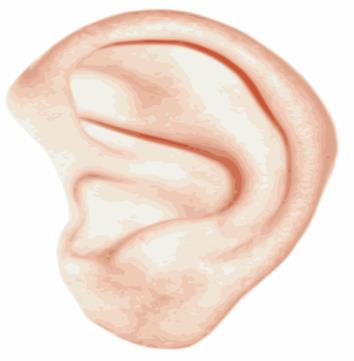
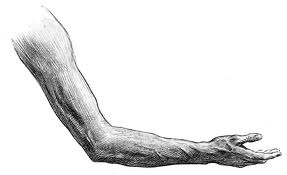
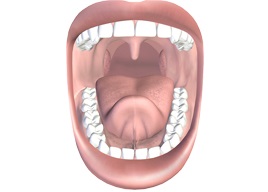
12. A nurse is going to administer 500mg capsule to a patient. Which is the correct route?
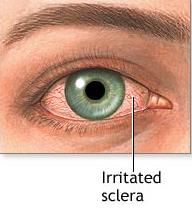
Eye irritated Prometric Practice Exam for Nurses Test 1
A.)
Ear picture 150x150 Prometric Practice Exam for Nurses Test 1
B.)
arm picture 150x150 Prometric Practice Exam for Nurses Test 1
C.)
mouth and teeth 150x150 Prometric Practice Exam for Nurses Test 1
D.)
13. An appropriate instruction to be included in the discharge teaching of a patient following a spinal fusion is?
a)  Don’t use the stairs
b)  Don’t bend at the waist
c)   Don’t walk for long hours
d)   Swimming should be avoided
14. A nurse is preparing to give an IM injection of Iron Dextran that is irritating to the subcutaneous tissue. To prevent irritation to the tissue, what is the best action to be taken?
a)   Apply ice over the injection site
b)  Administer drug at a 45 degree angle
c)  Use a 24-gauge-needle
d)  Use the z-track technique
15. What should a nurse do prior to taking the patient’s history?
a)  Offer the patient a glass of water
b)  Establish rapport
c)   Ask the patient to disrobe and put on gown
d)  Ask pertinent information for insurance purposes
16. A pregnant woman is admitted for pre-eclampsia. The nurse would include in the health teaching that magnesium will be part of the medical management to accomplish the following?
a)     Control seizures
b)    promote renal perfusion
c)     To decrease sustained contractions
d)    Maintain intrauterine homeostasis
17. A nurse is going to administer ear drops to a 4-year-old child. What is the correct way of instilling the medicine after tilting the patient’s head sidewards?
a)  Pull the pinna back then downwards
b)  Pull the pinna back then upwards
c)  Pull the pinna up then backwards
d)  Pull the pinna down then backwards
18. A nursing student was intervened by the clinical instructor if which of the following is observed?
a)  Inserting a nasogastric tube
b)  Positioning the infant in a “sniffing “position
c)  Suctioning first the mouth, then the nose
d)  Squeezing the bulb syringe to suction mouth
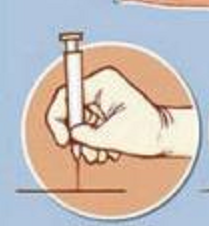
19. Choose amongst the options illustrated below that best describes the angle for an intradermal injection?
intradermal injection 150x150 Prometric Practice Exam for Nurses Test 1
A.)
injection technique 150x150 Prometric Practice Exam for Nurses Test 1
B.)
injection technique.jpg3  150x150 Prometric Practice Exam for Nurses Test 1
C.)
injection technique.jpg4  150x150 Prometric Practice Exam for Nurses Test 1
D.)
20. During a basic life support class, the instructor said that blind finger sweeping is not advisable for infants. Which among the following could be the reason?
a)  The mouth is still too small
b)  The object may be pushed deeper into the throat
c)  Sharp fingernails might injure the victim
d)  The infant might bite
21.  A nurse enters a room and finds a patient lying on the floor. Which of the following actions should the nurse perform first?
a)   Call for help
b)   Establish responsiveness of patient
c)   Ask the patient what happened
d)   Assess vital signs
22. A patient with complaints of chest pain was rushed to the emergency department. Which priority action should the nurse do first?
a)   Administer morphine sulfate intravenously
b)  Initiate venous access by performing venipunture
c)   Administer oxygen via nasal cannula
d)  Complete physical assessment and patient history
23. A rehab nurse reviews a post-stroke patient’s immunization history. Which immunization is a priority for a 72-year-old patient?
a)   Hepatitis A vaccine
b)  Hepatitis B vaccine
c)  Rotavirus Vaccine
d)  Pneumococcal Vaccine
24. Several patients from a reported condominium fire incident were rushed to the emergency room. Which should the nurse attend to first?
a)   A 15-year-old girl, with burns on the face and chest, reports hoarseness of the voice
b)  A 28-year-old man with burns on all extremities
c)  A 4-year-old child who is crying inconsolably and reports severe headache
d)  A 40-year-old woman with complaints of severe pain on the left thigh
25.The doctor ordered 1 pack of red blood cells (PRBC) to be transfused to a patient.  The nurse prepares the proper IV tubing. The IV tubing appropriate for blood transfusion comes with?
a)   Air vent
b)   Microdrip chamber
c)   In-line filter
d)   Soluset
26. The expected yet negative (harmful ) result for posthemodialysis is a decrease in?
a)   Creatinine
b)   BUN
c)   Phosphorus
d)   Red blood cell count
27. A patient was brought to the emergency room after she fell down the stairs. Which of the following is the best indicator for increased intracranial pressure in head and spinal injury?
a)  Inability to move extremities
b)  Decreased respiratory rate
c)  Increase in pulse and blood pressure
d)  Decrease level of consciousness
28. A new nurse is administering an enema to a patient. The senior nurse should intervene if the new nurse?
a)  Hangs the enema bag 18 inches above the anus
b)  Positions the client on the right side
c)  Advances the catheter 4 inches into the anal canal
d)  Lubricates 4 inches of the catheter tip
29. The medication nurse is going to give a patient his morning medications. What is the primary action a nurse should do before administering the medications?
a)  Provide privacy
b)  Raise head of the bed
c)  Give distilled water
d)  Check client’s identification bracelet
30.  A 30-year-old client is admitted with inflammatory bowel syndrome (Crohn’s disease). Which of the following instructions should the nurse include in the health teaching? Select all that apply
a)  Corticosteroid medication is part of the treatment
b)  Include milk in the diet
c)  Aspirin should be administered
d)  Antidiarrheal medication can help

HOW TO SCHEDULE THE PROMETRIC EXAM (Saudi Council Exam)

SAUDI PROMETRIC EXAM

How to schedule Prometric Exam (Saudi Council Exam) for Filipino Nurses

Here are the Step by Step Procedures
1. Under For Test Takers, tick the dropdown list box on Academic, Professional, Government & Corporate, scroll down and click Saudi Commission for Health Specialties.
2. You will be directed to a new window of SCHS: Saudi Commission for Health Specialties Testing and you may read on some articles there regarding the organization itself. On the Get Started Box click Start.
3. From the Program Name drop down list box: choose the Saudi Commission for Health Specialties (Non-elig)
***NOTE: the other options apply only to those who are currently in the kingdom --- then choose Philippines then click Next.
4. You will then be directed to a new window. Click Schedule an Exam. A new window will appear showing the details of registration (requirements, scheduling, payment, etc.). Click Next.
5. You will tick "I Agree on the Policy Statement" and click Next.
6. Under Exam Selection you will choose Nurse technician --- There are actually 2 options for nurses: Nurse Specialist and Nurse Technician.
Nurse Specialist - more than 3 years and beyond practice.
Nurse technician - 2 years experience
***NOTE: Nurses from Saudi Recruitment Office (SRO) and recruitment agencies instruct applicants to take the Nurse Technician Exam regardless of years of experience.
7. For Test Center Selection, type Manila or Cebu then click Search. Check the information of the testing Centers below:
#8475 and #8479: MANILA, Philippines
Acess 2 Floor Ateneo Professional Schools,
130 H. Dela Costa St., Salcedo Village, Makati City
Telephone No.: (632) 892-0383
For Manila the schedule of exams are from Tuesdays to Fridays.
Directions: Prometric Testing Center-Manila is located at the Ateneo Professional Schools Salcedo (APS Salcedo) on H.V. de la Costa Street, Salcedo Village, Makati City. APS Salcedo is between Tordesillas and Sanchez Streets. Across APS Salcedo are the Megaworld Center and GF Partners. From the EDSA – Buendia Metro Rail Transit (MRT) station or Gil Puyat – Light Rail Transit (LRT) station, take a jeepney going to Gil Puyat Avenue. Disembark at Yupangco Building or Mapua Information Technology, cross to the covered walk between ACT Tower and GF Partners to get to APS Salcedo at H. V. de la Costa Street.
#8473: CEBU CITY, Philippines
Tread, Inc., Suite 308, Centro Maximo D.,
Jakosalem St., Cebu City
Tel no. 032-2535514
For Cebu the schedule of exams are from Mondays to Thursdays.
Directions: Name of the building is Centro Maximo, it is located at the corner of Jakosalem and Ranudo Sts. Cebu City. It is across the AMWAY. Other landmarks are near the Bayantel Building and IAU Building.
8. Click Schedule an Exam. You will be prompted to select your desired exam month, date and time.
9. You will be directed to another window and you will type some additional information. Type the required information including your name, address, birth date, e-mail address, government identification card, etc.Type PRC ID.  You may use other government issued card like Driver’s License and Passport. --- and in the Government ID Issuing the Card, choose: Philippines.
10. After that, you will proceed to another window and you will be typing the necessary information under the Payment Information. Type the Card Number, the Security Code.. Take in mind that they would only accept credit card payment from major credit card companies such as MasterCard, Visa and America Express. Type in the Name (the owner of the card) and the Expiration Date of the card. Review the information and click Next.
Exam Cost: 90 USD
11. After that you will be asked to review the entered information once again and you will click Complete Registration.

PRINT the Appointment Summary or save it as PDF to print at a later time. You can also check your email for the Appointment Confirmation.

MY EXPERIENCE DURING THE TEST - SAUDI PROMETRIC EXAM


Before you take the exam, one of the staff members will ask to register your name in the attendance logbook and validate your ID. After verifying my identification, she gave me keys where I can put all my things. Remember, identification documents are the only personal things you are allowed to have in the testing area. Gadgets and other devices are not permitted but you are allowed to bring soft ear plugs (with no wires/cords attached) or center-supplied tissues in the test room.
I came an hour earlier so I thought I still have to wait for the scheduled time but the staff member asked me to go inside to take the test. Inside the room, there are 3 staff members who assisted me before I went to the actual testing area, one of them will check your pockets by asking you to turn it inside out. The guy who assisted me even asked to raise my slacks/pants legs above my ankles prior to entry into the test room. They used a hand held metal detector to ensure security. Right after, another staff will ask again for your ID, your photo will be taken which will also appear on your score report. He input my information to their database and verifies it with me if information is correct.
Someone escorted me to the testing room. The area has several cubicles with computers inside and each has its own CCTV. You will be continuously monitored by video, physical walk-throughs and the observation window during your test. All testing sessions are video and audio recorded.

The exam....
The exam covers almost everything, there are questions that were really nerve cracking but there are also some which are quite easy. On my case, I got most questions related to pediatric nursing like Cystic Fibrosis, Chron's disease, Celiac disease, Anemia, Congenital Heart diseases and many others, I didn't get any question related to computation and drugs though.
You have an option to mark your unsure answers to questions during the test, and if you still have remaining time then you can go back or review previous questions with marked unsure. You have 2 hours to finish the 70-item test. Remember to take the sample online test few days before the test. The good thing is you will get your result right after finishing the exam then someone will give the printed result with signature and dry seal. Remember to be careful with the paper because they only give one copy of it.
Godbless and Goodluck!!!

CHART BLOOPERS FOUND ON ACTUAL HOSPITAL RECORDS

Here are the list of chart bloopers found on actual medical records. Enjoy!

  1. Patient had waffles for breakfast and anorexia for lunch.
  2. She has no rigors or shaking chills, but her husband states she was very hot in bed last night.
  3. Patient has chest pain if she lies on her left side for over a year.
  4. Patient was alert and unresponsive.
  5. Rectal examination revealed a normal size thyroid.
  6. On the second day the knee was better, and on the third day it disappeared.
  7. The patient is tearful and crying constantly. She also appears to be depressed.
  8. The patient has been depressed since she began seeing me in 1993.
  9. Discharge status: Alive but without my permission.
  10. Healthy appearing decrepit 69 year old male, mentally alert but forgetful.
  11. The patient refused autopsy.
  12. The patient has no previous history of suicides.
  13. Patient has left white blood cells at another hospital.
  14. Patient's medical history has been remarkably insignificant with only a 40 pound weight gain in the past three days.
  15. She is numb from her toes down.
  16. While in ER, she was examined, X-rated and sent home.
  17. The skin was moist and dry.
  18. Occasional, constant infrequent headaches.
  19. She stated that she had been constipated for most of her life, until she got a divorce.
  20. I saw your patient today, who is still under our car for physical therapy.
  21. Both breasts are equal and reactive to light and accommodation.
  22. Examination of genitalia reveals that he is circus sized.
  23. The lab test indicated abnormal lover function.
  24. The patient was to have a bowel resection. However, he took a job as a stock broker instead.
  25. Skin: somewhat pale but present.
  26. The pelvic exam will be done later on the floor.
  27. Patient was seen in consultation by Dr. Blank, who felt we should sit on the abdomen and I agree.
  28. Large brown stool ambulating in the hall.
  29. Patient has two teenage children, but no other abnormalities.

Sunday, June 23, 2013

PATHOGNOMONIC SIGNS OF DIFFERENT DISEASES

Pathognomonic sign is a particular sign of a disease whose presence intensifies that a disease is present without any hesitations. Here are the list of the most common diseases and their pathognomonic signs:

  1. Addison’s Dse. - Bronze-like skin
  2. Appendicitis-McBurney’s Point/ Rovsing Sign/Psoas Sign
  3. Asthma-Wheezing Inspiration
  4. Bulimia Nervosa - Chipmunk Face
  5. Cataract- Blurry Vision / Hizzy Vision
  6. Cholecystitis-Murphy’s Sign (pain RUQ)
  7. Cholera -Rice Watery Stool
  8. COPD -Barrel-Chested
  9. Cushing Syndrome- Buffalo Hump
  10. Dengue-Petechiae
  11. Down Syndrome- Single Crease on Palm/Clubbing of Fingernails
  12. Glucoma- Tunnel-like Vision
  13. Hepatitis-Icteric Sclera (yellowish discoloration of sclera)
  14. Hyperpituitarism - CAROTENEMIA (Discoloration of skin)/ XANTHAMIA
  15. Hyperthyroidism - Exopthalmus
  16. Kawasaki Dse.- Strawberry Tongue
  17. Leprosy-Leoning Face (contracted face)
  18. Liver Cirrhosis - Spider Angioma
  19. Malaria -Stepladder Fever
  20. Measles-Koplick’s Spot
  21. Meningitis-Burdzinski Sign (Pain on nape)/Karnig Sign (pain on leg/ knee area)
  22. MI-Levine's sign
  23. Myasthemia Gravis (MG) - Ptosis (inability to open upper eyelids)
  24. Pancreatitis - Cullen Sign (Bluish discoloration preumbilical area)
  25. Parkinson’s Dse. - Pill Rolling Tremors
  26. Pernicious Anemia - Beefy Red Tongue (Schilling’s Test)
  27. Pneumonia - Greenish Rusty Sputum
  28. PTB-Low grade fever in afternoon
  29. Pyloric Stenosis - Olive-Shaped Mass
  30. SLE-Butterfly Rashes
  31. Tetany- Chvostek Sign)/Trosseau’s Sign
  32. Thrombophlebitis - Homan’s Sign
  33. Typhoid - Rose Spot